Northwest Missouri Land — What It’s Really Like to Own Ground Here
Northwest Missouri
Northwest Missouri is farm country. Long days, small towns, and the kind of evening where you can stand at the edge of a field, watch the sun drop, and breathe.
It’s also some of the most productive whitetail ground in the state — and that isn’t luck.
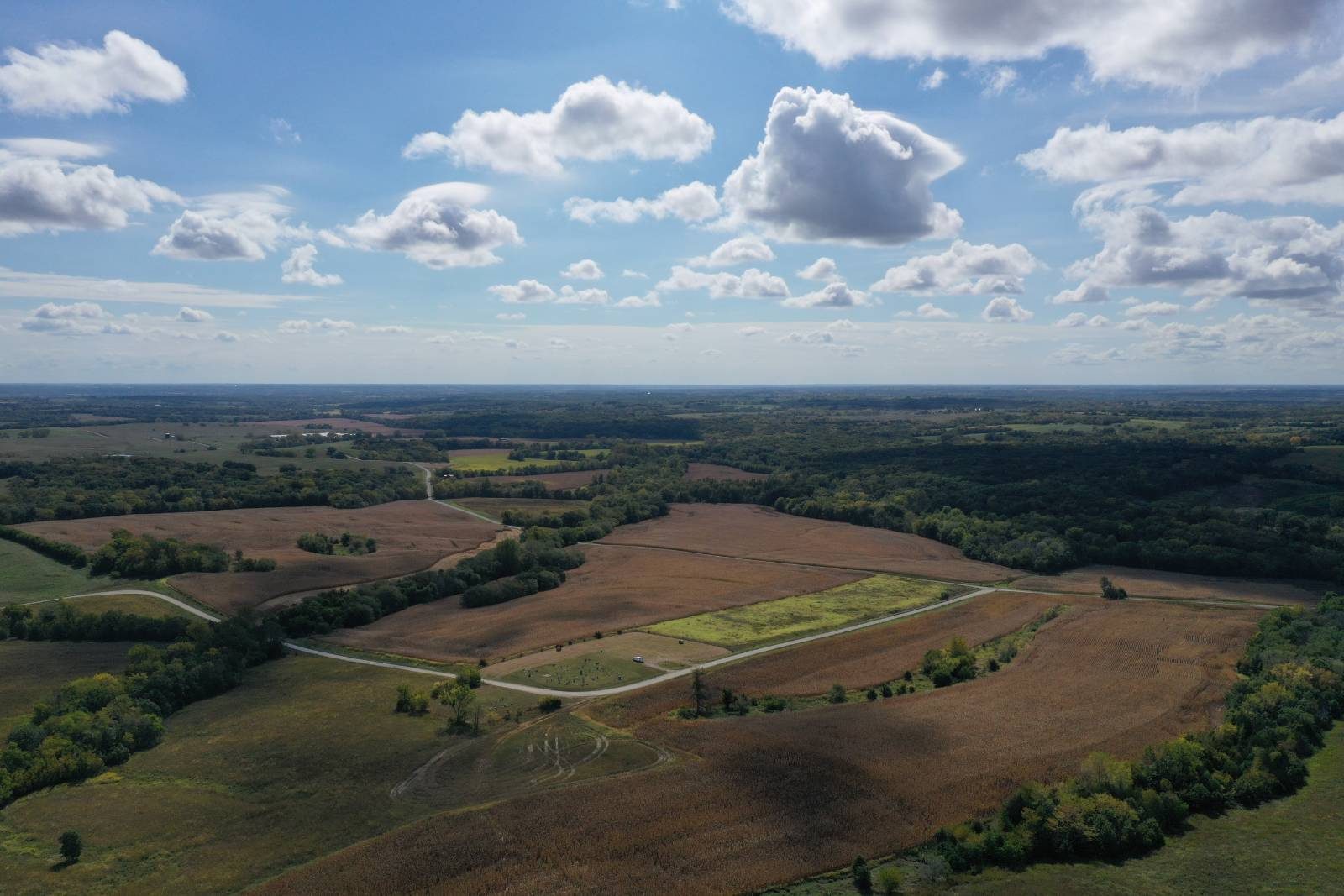
The land lays differently in every county, but the pattern holds across the region: big timber, big agriculture, and a network of draws and creeks stitching it together. That combination is the engine. Row crops put groceries on the table year-round. The timber and brushy draws give deer somewhere to disappear. When feed that good sits that close to cover that thick, deer live long enough to get old — and age is what grows the deer this region is known for.
That’s the short version of why mature bucks come out of Northwest Missouri the way they do. It’s habitat, not secret spots.
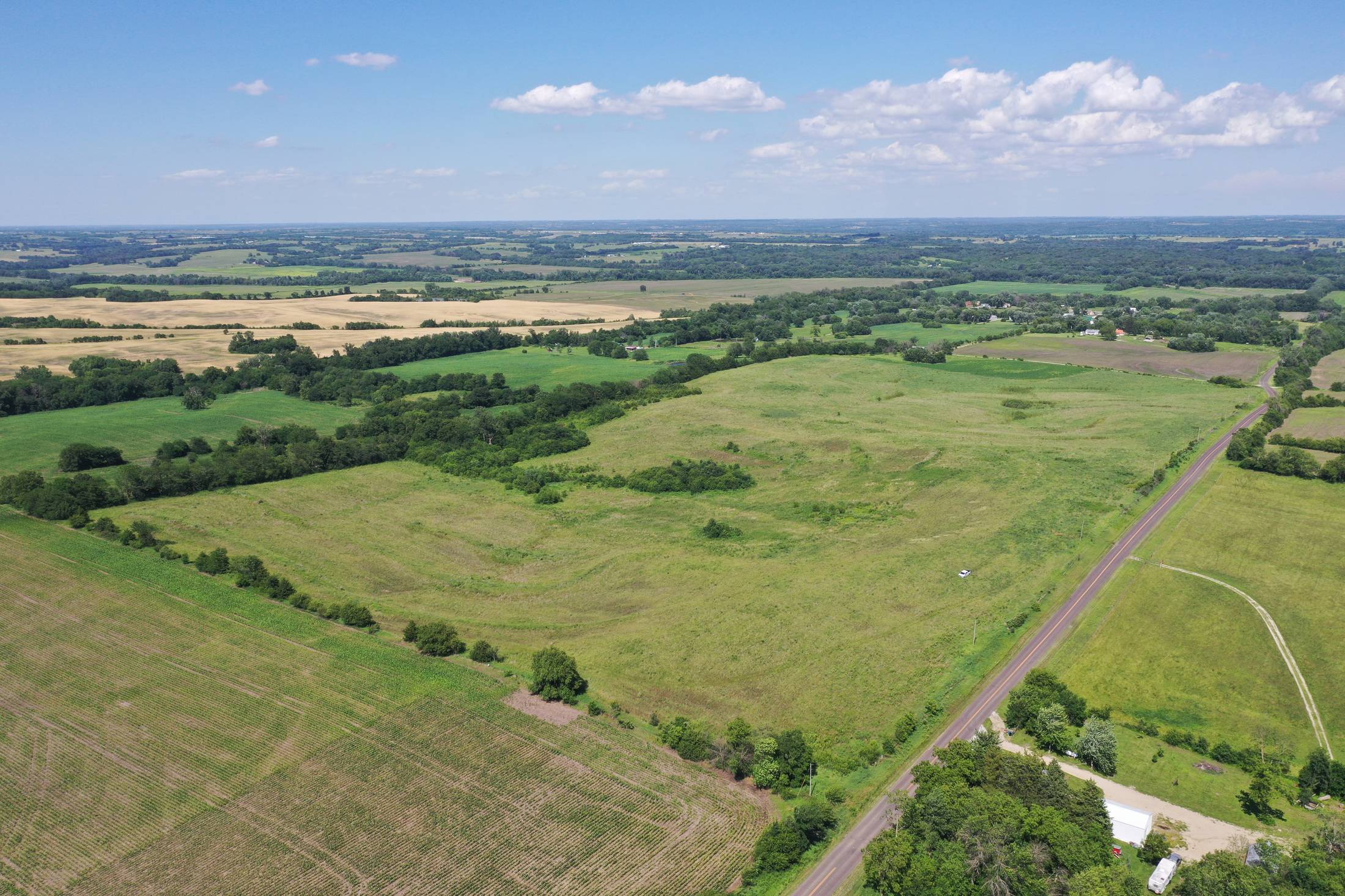
From rolling hills to deep draws to open river bottoms, it’s country worth seeing in person.
See what’s for sale
Current listings →
Land, farms, hunting tracts and homes across all five counties
Where this is, and why it’s one place rather than five
The counties along the Missouri–Iowa line in the northwest corner of the state — Harrison, Worth, Gentry, Mercer, Grundy — share more than they differ. Rolling ground rather than flat prairie. Timber following the creeks and draws. Working farms held by families who’ve had them a long time.
I work these five Missouri counties, plus four across the line in Iowa. That’s a defined footprint rather than a claim on half the state, and it’s deliberate — nine counties is enough ground to know genuinely well: which roads get maintained in winter, which bottoms flood, where access gets complicated.
Looking for a house rather than land?
Land is my specialty, but houses are most of what changes hands out here, and I work both. If you’re buying, being a land agent means I check the well, the septic, the recorded access and the fence line as a matter of course — the things that cost people money after closing when nobody looked beforehand. If you’re selling, you get an honest number rather than a flattering one.
Buying a home → · Selling a home →
What to check before you buy ground here
This is the part that costs people money when nobody looks at it beforehand. It applies across all of these counties.
Legal access. The one that catches buyers most often. Plenty of tracts here reach the road across a neighbor’s ground, and “we’ve always driven through there” is not a recorded easement. Verify access is recorded, not customary. A landlocked tract is worth a fraction of the same ground with legal access, and the problem doesn’t announce itself at a showing.
Mineral rights. Check whether they were severed in an earlier conveyance. It happens more than people expect on ground that’s changed hands over generations, and it isn’t always obvious from a current deed.
CRP status and what transfers. If a tract is enrolled, understand the remaining contract term and which obligations carry to you.
Perc and septic, if you intend to build. Soil that farms fine may not pass a perc test. Find out before you buy, not after.
Floodplain and flood history. Anything in the river bottoms deserves a hard look. It affects what you can build, how you’ll finance it, and what the ground is worth to the next buyer.
Boundary accuracy. Fence lines and deed lines are not always the same thing, particularly on ground that’s been in one family a long time. A survey is worth it where the boundary matters.
Drainage. Bottom ground that works well in a dry year can behave very differently in a wet one. Ask what it does in a bad spring.
Buying from out of state
A meaningful share of the ground here sells to people who don’t live here — Kansas City and Des Moines are both roughly two hours from Harrison County by I-35.
If you’re coming from somewhere else, the surprises are consistent: septic and perc requirements, well water and testing, propane versus natural gas, how road maintenance works in winter on a county road, and internet availability, which varies enormously from one road to the next.
If your interests cross into Iowa — and a lot of people’s do here — property tax treatment, ag classification, closing customs and hunting regulations all change at the line. I’m licensed in both states.
The counties
Harrison County. Home ground. I-35 runs straight through it, which means Bethany is about as easy to reach from Des Moines or Kansas City as rural Missouri gets — and that access shapes what trades here. Bethany, Ridgeway, Eagleville, Cainsville, Gilman City, New Hampton, Blythedale.
Worth County. The smallest county in Missouri. Land moves generationally — inside families, or between neighbors — and a real share of it never reaches the open market at all. Grant City, Sheridan, Allendale, Denver.
Gentry County. Row-crop country first. The timber follows the Grand River corridors rather than sitting in big blocks, which changes how a recreational tract hunts. Albany, Stanberry, King City, Darlington.
Mercer County. The least populated of the group and the highest ratio of timber and pasture to row crop. A genuinely remote feel along the Thompson River, still drivable from either metro. Princeton, Mercer, Ravanna.
Grundy County. Trenton is the largest town in this part of north Missouri, which creates real demand for small acreages near town and the deepest housing inventory in my area. Trenton, Galt, Spickard, Laredo.
Get in touch
If you’re thinking about buying ground here, or wondering what you already own is worth, call me at 816-982-0711. I’d rather tell you honestly that now isn’t the time than take a listing that sits.