Buy a Home in Northwest Missouri
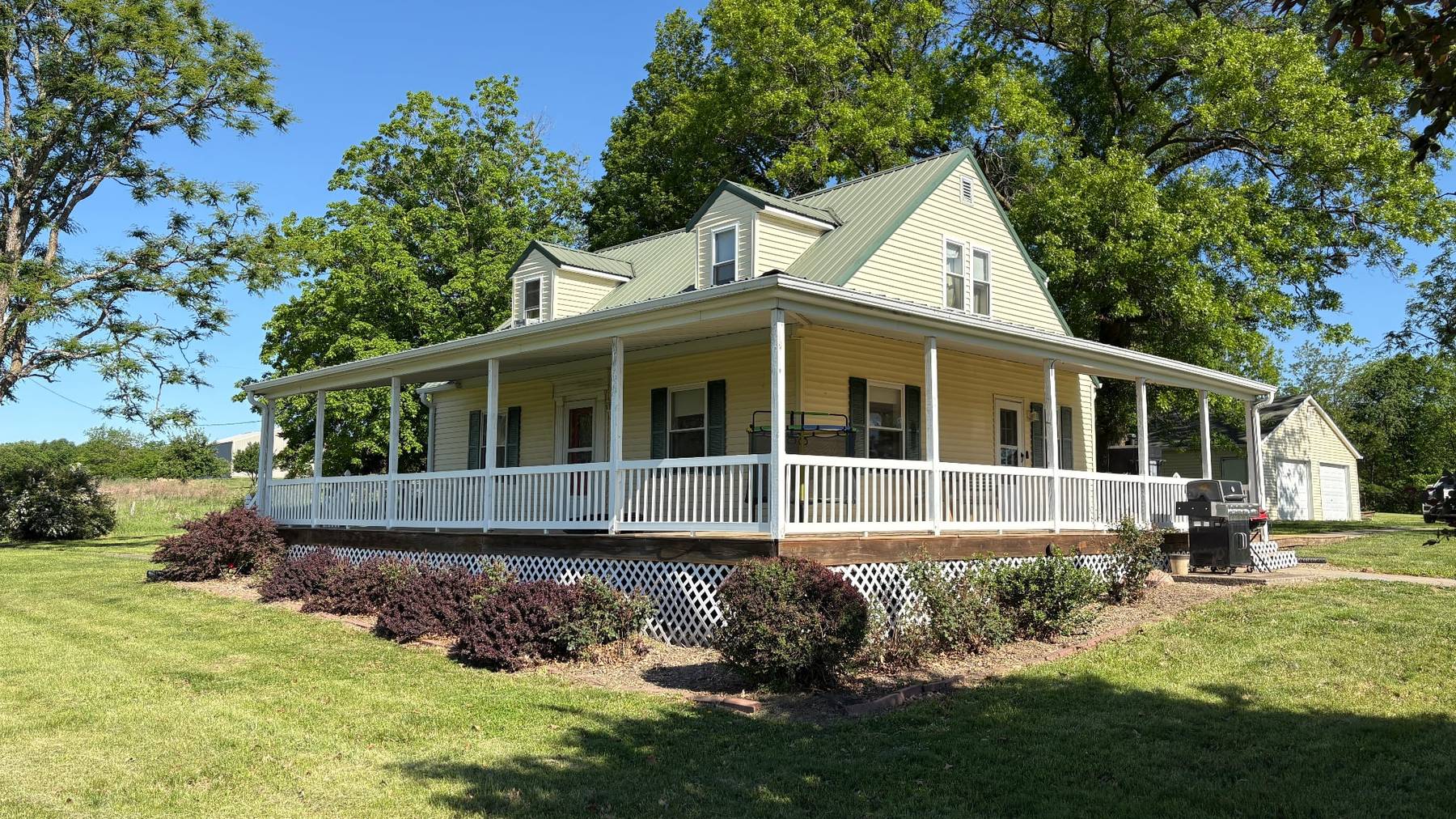
Most of what I sell is land, and that’s exactly why I’m useful when you’re buying a house out here. A place on ten acres isn’t a house with a big yard — it comes with a well, a septic system, a fence, outbuildings, and sometimes questions about access that a strictly residential agent may not think to ask. I check that side of it as a matter of course.
I’ll show you anything on the market, listed by any company. And I’ll tell you honestly what I think of it, including when I think you should walk.
What I look at that others might not
The well. Depth, age, recovery rate, and recent water testing. A well that runs fine for one person may not keep up with a household and livestock.
The septic. Age, type, whether it’s sized for the house, and whether it’s been maintained. If the system needs replacing, that’s not a small number, and it’s better known before closing than after.
Access and easements. How does the driveway reach a public road, and is that access recorded? “They’ve always let us drive through” is not the same as a legal right, and it stops being true the day the neighbor sells.
Outbuildings and fence. What condition they’re in, what they’re actually suited to, and whether the fence sits on the property line — which on ground that’s been in one family a long time, it often doesn’t.
Road maintenance. County road, township road, or private? It determines who plows it in winter and who fixes it when it washes out.
Internet. Availability varies enormously from one road to the next out here. If you work from home, ask before you fall in love with a place.
If you’re moving here from somewhere else
Rural property works differently than what you may be used to, and none of it is difficult once someone explains it.
Expect propane rather than natural gas in most places, and wells rather than city water outside town. Expect longer drives to a grocery store, a hospital, a hardware store — ask me what those drive times actually are rather than guessing from a map, because the map doesn’t know about gravel.
Financing can also work differently on acreage than on a house in town, particularly on larger tracts or where outbuildings carry real value. Worth a conversation with a lender early rather than late.
How the process actually goes
1. Talk to a lender first. Knowing what you can borrow shapes everything after it, and sellers take a pre-approved buyer more seriously. If you don’t have a lender, I can point you to a few who understand rural property — which is a real distinction, not a courtesy.
2. Tell me what you’re after. Acreage or in town, what you need outbuildings for, how far you’re willing to drive. The more specific you are, the less of your time we waste.
3. We look. I’ll show you anything listed by anyone. If something’s wrong with a place, I’ll say so.
4. Offer and negotiation. I’ll tell you what I think it’s worth and why, and where I think there’s room.
5. Inspections. On rural property that usually means more than a general home inspection — well, septic, and sometimes a survey if the boundary is unclear.
6. Appraisal, then closing. I’ll stay on top of the parts that tend to go sideways, because some of them will.
Not ready yet?
That’s fine. Plenty of people call me a year before they buy. Tell me what you’re looking for and I’ll keep an eye out — including for things that haven’t hit the market yet, which in a county this size is a meaningful share of what sells.
Call or text 816-982-0711, or send me a note and I’ll get back to you.